Best Emotional Support Animals for California Apartments — A Clinician-Vetted Lineup
Choosing an emotional support animal is one of the most personal decisions a person navigating a mental health challenge can make — and for the roughly 17 million Californians who rent their homes, that choice carries real legal weight. Under the federal Fair Housing Act and HUD's authoritative guidance document FHEO-2020-01 (Assessing a Person's Request to Have an Animal as a Reasonable Accommodation Under the Fair Housing Act), a housing provider must consider a reasonable accommodation request for an ESA from a tenant whose disability-related need is documented by a licensed mental health professional (LMHP). That federal framework, layered onto California's own AB-468 — which codified a mandatory minimum 30-day established therapeutic relationship between the clinician and the client before any ESA letter may be issued — means the stakes for getting this right are genuinely high.
But before a lease conversation ever happens, there is a quieter, more fundamental question: which animal will actually help you feel better, day after day, inside the footprint of a California apartment? A diagnosis-driven therapeutic recommendation from a California-licensed LMHP — an LCSW, LMFT, psychologist, psychiatrist, or similarly credentialed clinician — will always be the clinical north star. The list below is intended to inform that conversation, not replace it. Think of it as a clinician-vetted menu of options, each evaluated for temperament, space requirements, noise profile, and the quality of the human–animal bond the species is known to foster.
Important disclaimer: This article is informational only. It does not constitute medical, mental-health, or legal advice, and it does not create a clinician–client relationship. Whether an ESA is therapeutically appropriate for you is a determination only a California-licensed mental health professional can make after an individualized assessment conducted over the required 30-day therapeutic relationship. For housing disputes, please consult a California-licensed attorney or contact your local legal aid office for FHA enforcement guidance.
Why the Right ESA Match Matters More Than You Think
Emotional support animals work, in part, because of consistent, low-stress daily contact. A mismatch between an animal's energy level, noise output, or space needs and your apartment environment can erode that therapeutic benefit — and, practically speaking, create friction with neighbors and landlords that undercuts the very housing stability you sought to protect. California's dense urban rental markets — Los Angeles, San Francisco, San Diego, Sacramento — place a premium on animals that coexist quietly with shared walls, building rules, and often-small square footage.
The animals below rank highly on four clinician-informed criteria: emotional attunement (capacity to sense and respond to human distress), apartment suitability (space, noise, and odor profile), FHA accommodation likelihood (landlords are required to evaluate each request individually — no approval is guaranteed, but smaller, lower-risk animals tend to generate fewer objections), and care accessibility (cost, veterinary availability, and daily time commitment reasonable for someone managing a mental health condition).
The Clinician-Vetted Lineup: 9 Best ESA Animals for California Apartments
1. Domestic Cat
Few animals offer the combination of deep emotional attunement, near-silent presence, and genuine apartment compatibility that a well-matched domestic cat provides. Cats are famously self-sufficient — they do not require outdoor walks, adapt gracefully to small square footage, and have a physiological effect on their humans that researchers have associated with reduced cortisol levels and lower blood pressure. For people whose mental health challenges include anxiety disorders, PTSD, or depression, the rhythmic act of stroking a purring cat has been described by clinicians as a grounding technique with no prescription required.
From a California apartment-friendly ESA standpoint, cats are among the most straightforward animals to accommodate. Their litter-box management is self-contained, their vocalization is generally minimal (with breed-specific exceptions — Siamese owners, take note), and their small physical footprint means they are almost never the subject of legitimate safety objections under the HUD FHEO-2020-01 framework. Certain breeds — Ragdolls, British Shorthairs, and Scottish Folds — are particularly noted for calm, lap-oriented temperaments that translate well to the emotional support role.
California landlords retain the right to request documentation of your disability-related need and the therapeutic nexus between that need and your ESA. A valid ESA letter, issued by a California-licensed LMHP after the state-required 30-day therapeutic relationship, is your primary instrument for that conversation. Learn more about breed selection and the documentation process in our guide to ESA cats in California — quiet companions for apartment living.
Practical Takeaway: Cats are the gold-standard apartment ESA for most California renters — low noise, low spatial demand, and high emotional return. Discuss breed temperament with your clinician and ensure your ESA letter is issued in full compliance with AB-468.
2. Small-to-Medium Calm Dog Breeds
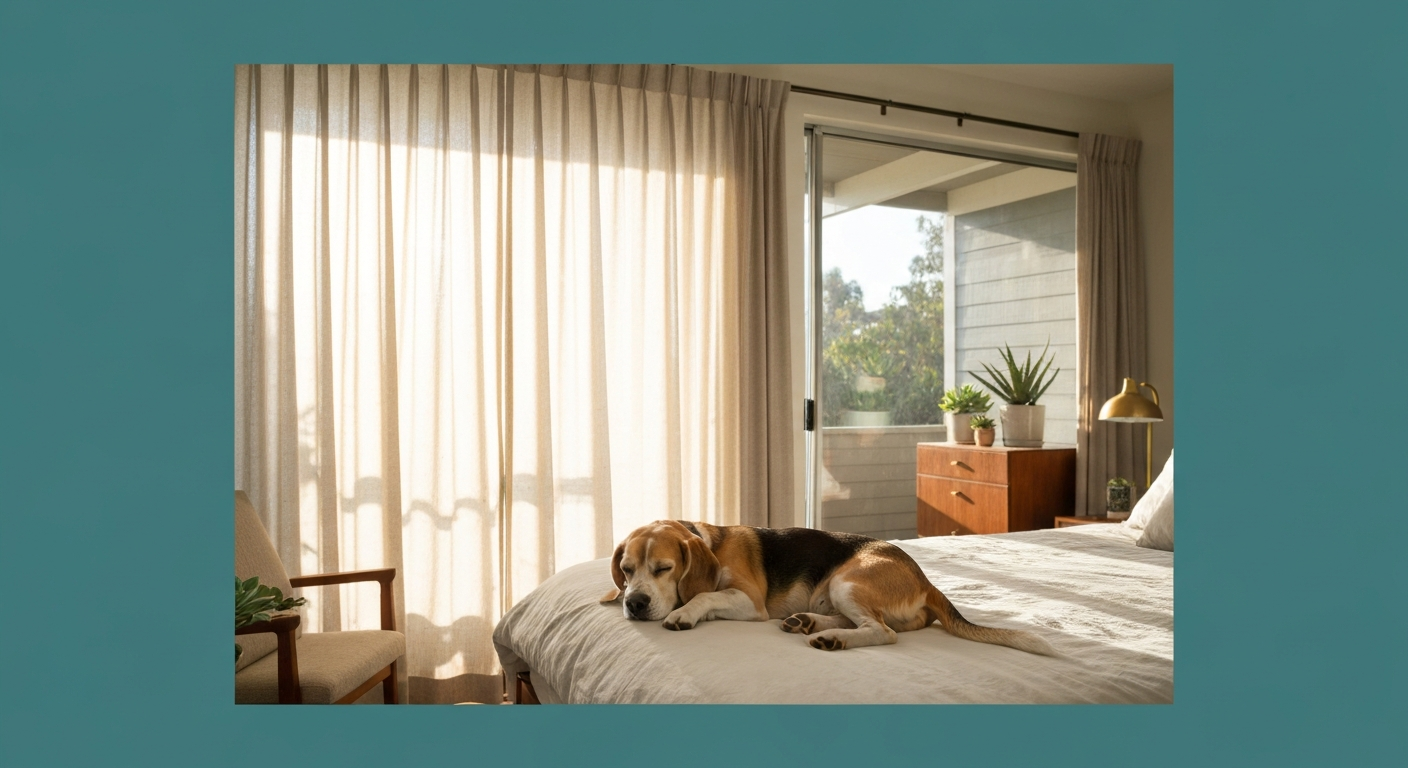
Dogs are, for millions of people, the most emotionally resonant animals on earth — and for good clinical reason. The human–dog bond activates oxytocin release in both species, and the structured routines dogs require (feeding, walking, play) can provide the kind of anchoring daily rhythm that many people managing depression or anxiety find profoundly helpful. In a California apartment context, however, the keyword is calm. Breeds such as the Cavalier King Charles Spaniel, Basset Hound, Shih Tzu, Pug, French Bulldog, and Greyhound (yes — Greyhounds are legendary apartment dogs despite their racing history) are consistently noted for low-to-moderate energy indoors, manageable vocalization, and a gentle disposition that supports the therapeutic relationship.
California's urban rental landscape means that size alone is not always the limiting factor — temperament and noise profile matter enormously in buildings with shared walls and HOA rules. A 45-pound Greyhound that sleeps 18 hours a day may be a far more apartment-suitable ESA than a 12-pound terrier that barks at shadows. Your California-licensed clinician is best positioned to help you think through whether a dog — and which type — is therapeutically aligned with your specific condition and living situation. It is also worth noting that many California landlords maintain breed restriction policies; while HUD guidance requires them to assess ESA accommodation requests individually rather than defaulting to blanket breed bans, the reality of those conversations can be complex. Consulting a California-licensed attorney if you encounter resistance is always advisable.
ESA dogs are not service dogs and do not require specific task training under federal or California law. That said, basic obedience training makes apartment life significantly smoother for everyone involved — and may strengthen your accommodation request by demonstrating responsible ownership. Our detailed resource on the best ESA dog breeds for California apartments explores this in depth, and our guide to ESA training basics in California offers practical starting points.
Practical Takeaway: Dogs offer unmatched therapeutic depth, but apartment suitability requires deliberate breed selection. Prioritize calm, low-bark breeds, invest in basic training, and secure a compliant California ESA letter before any housing conversation.
3. Domestic Rabbit
Rabbits have moved quietly — and appropriately — into the mainstream of emotional support animal practice, particularly among California renters who need a deeply affectionate companion without the noise profile of a dog or the allergen concerns some buildings raise around cats. A well-socialized rabbit is surprisingly interactive: they recognize their owners, seek out physical contact, and have been described by clinicians working with anxiety and trauma populations as offering a uniquely calming sensory experience — soft fur, quiet presence, and gentle weight in the lap.
From an apartment standpoint, rabbits are nearly silent, litter-trainable, and require only a modest enclosure footprint. Their care needs — hay, fresh vegetables, regular enclosure cleaning, and annual veterinary checkups — are manageable for most individuals, and the twice-daily feeding routine can serve as a gentle behavioral anchor for people whose mental health challenges disrupt daily structure. One important consideration: rabbits are social animals and often thrive in bonded pairs, which is worth discussing with your clinician in the context of your specific living situation and emotional capacity.
HUD's FHEO-2020-01 guidance makes clear that housing providers must consider ESA accommodation requests for animals beyond cats and dogs, provided the disability-related need and therapeutic nexus are documented by a qualified professional. Rabbits have been successfully accommodated as ESAs in California apartments with proper documentation. For a comprehensive overview, see our guide to rabbits as emotional support animals in California.
Practical Takeaway: Rabbits are an underrated apartment ESA — quiet, affectionate, and FHA-protectable with a valid California ESA letter. Ideal for renters in noise-sensitive buildings or those with dog or cat allergies.
4. Guinea Pig
Guinea pigs occupy a special niche in the emotional support animal landscape: they are small enough to fit entirely within a modest enclosure, gentle enough for daily handling, and communicative enough — through their distinctive soft vocalizations — to give their owners a genuine sense of being recognized and responded to. For people managing social anxiety, depression, or conditions that make leaving the apartment difficult, the low-barrier daily caregiving routine a guinea pig requires can serve as a meaningful therapeutic touchstone.
Clinicians who work with children and adolescents, as well as adults in recovery from trauma, have noted that guinea pigs are particularly well-suited to what might be called the nurturing dimension of ESA therapy — the act of providing food, fresh bedding, and gentle handling can externalize care in a way that supports self-esteem and routine. Their lifespan (typically four to seven years) is long enough to build a meaningful bond without the acute grief risk that shorter-lived small animals can present.
For California apartment dwellers, guinea pigs are among the most landlord-unobtrusive ESA options available. Their enclosure is self-contained, their odor is manageable with regular cleaning, and their noise level — while cheerfully expressive at feeding time — is far below the threshold of any reasonable noise complaint. As with all ESA species, the accommodation request must be supported by documentation from a California-licensed LMHP who has maintained the required 30-day therapeutic relationship with you under AB-468.
Practical Takeaway: Guinea pigs excel as ESAs for renters who benefit from structured nurturing routines. Low spatial footprint and minimal noise make them one of the most apartment-compatible options on this list.
5. Miniature or Toy Dog Breeds
While calm medium-sized dogs earn their own entry above, toy and miniature breeds deserve separate consideration because their use case in California apartment ESA situations is meaningfully distinct. Breeds such as the Maltese, Cavalier King Charles Spaniel (miniature variety), Pomeranian, Toy Poodle, and Chihuahua offer the full emotional attunement of a dog in a package that fits comfortably in a studio apartment, travels in a carrier, and imposes minimal physical wear on hardwood floors and shared spaces. For people whose mental health challenges include agoraphobia or conditions that make outdoor exercise difficult, a toy breed that is content with brief indoor play sessions and short outdoor excursions can be especially well-matched.
The important caveat: many toy breeds compensate for their size with vocalization. Chihuahuas and Pomeranians in particular are known for reactive barking that can become a significant source of neighbor conflict in high-density California apartment buildings. A clinician-informed conversation about whether a particular breed's temperament matches your living environment — and your own emotional capacity for training and management — is genuinely important, not merely a formality. Basic training, covered in our California ESA training basics guide, can mitigate many vocalization issues and is strongly recommended regardless of breed.
Toy breeds are also, practically speaking, among the easiest animals to transport to veterinary appointments, groomers, and, if needed, temporary housing — a consideration that matters when California's rental market occasionally requires tenants to move on short notice. Having a current, compliant ESA letter from a California-licensed LMHP ensures your accommodation rights travel with you to your next address.
Practical Takeaway: Toy and miniature breeds maximize the human–dog bond in minimal square footage. Prioritize low-bark temperament, invest in training, and verify your ESA letter meets AB-468's 30-day therapeutic relationship requirement.
6. Companion Birds (Budgerigar / Parakeet, Cockatiel)
Companion birds are among the most cognitively sophisticated animals a person can share an apartment with — and for individuals whose mental health challenges include loneliness, grief, or conditions that diminish motivation, the interactive, responsive quality of a well-socialized parakeet or cockatiel can be genuinely therapeutic. Budgerigars are capable of learning words and phrases, recognize their owners by voice and appearance, and demonstrate clear emotional preferences that many ESA owners describe as deeply affirming. Cockatiels, with their gentle whistling and tendency to seek out shoulder-perching contact, offer a particularly warm companion experience.
From an apartment compatibility standpoint, budgerigars and cockatiels occupy a small physical footprint, require only a modest cage, and — when properly socialized — vocalize at levels that are rarely a source of legitimate neighbor complaint. They do require daily out-of-cage flight time in a safely bird-proofed room, enrichment toys, and fresh food and water, which again provides that clinically useful routine structure. Their lifespan — ten to fifteen years for cockatiels, seven to twelve for budgerigars — is sufficient to build a deeply meaningful bond.
A note of caution: larger parrot species (African Greys, Macaws, Amazon parrots) can produce vocalization at levels that are genuinely disruptive in shared-wall apartment buildings, and their complex cognitive needs are demanding enough that clinicians should weigh carefully whether such a commitment is appropriate for a person managing an active mental health condition. For apartment ESA purposes, budgerigars and cockatiels represent the most clinically and practically appropriate avian options.
Practical Takeaway: Parakeets and cockatiels offer interactive, affectionate companionship in a small cage footprint. Ideal for renters who connect with the unique quality of the bird–human bond and live in buildings with limited pet policies.
7. Hamster or Gerbil
For individuals whose mental health condition involves heightened sensory sensitivity, limited physical energy, or significant space constraints — a studio apartment in San Francisco, for instance — hamsters and gerbils represent a clinically valid ESA option that is sometimes overlooked in favor of more conventionally visible animals. The therapeutic mechanism here is less about dramatic emotional attunement and more about the consistent, low-demand daily caregiving that promotes routine, reduces feelings of purposelessness, and provides a gentle, tactile source of comfort during acute distress episodes.
Hamsters are solitary and most active at night, which suits people who struggle with sleep-schedule disruption and may find a nocturnal companion's activity naturally aligned with their own wakefulness. Gerbils, by contrast, are social and diurnal — they are active during the day and, kept in same-sex pairs, provide the additional dimension of observational entertainment that many people find grounding. Both species are nearly silent, have self-contained housing needs, and are among the most landlord-unobtrusive ESA options possible.
The honest clinical caveat is that hamsters and gerbils have shorter lifespans — typically two to four years — which means that individuals for whom the experience of loss is a significant mental health trigger should discuss this dimension with their clinician before choosing this species. The bond, while real and therapeutic, will require renewal and may involve grief. A California-licensed LMHP can help you think through whether this trade-off is appropriate for your situation.
Practical Takeaway: Hamsters and gerbils are maximally apartment-friendly ESAs with minimal landlord friction potential. Best suited for individuals who benefit from nurturing routines and low-stimulation companionship; discuss lifespan considerations with your clinician.
8. Fish (Bettas and Freshwater Community Tanks)
The inclusion of fish on a clinician-vetted ESA list may surprise some readers, but the evidence base here is more substantial than popular perception suggests. Studies cited in clinical psychology literature have associated aquarium-watching with measurable reductions in heart rate, anxiety, and pain perception. For individuals with severe anxiety disorders, autism spectrum conditions, PTSD, or conditions that make physical animal interaction overstimulating, a beautifully maintained aquarium can provide the sensory grounding and calming focus of an ESA without any of the tactile or noise demands other species involve.
Betta fish are the most practical single-specimen choice for California apartment ESA purposes: they thrive in tanks as small as five gallons, require no tank mates, and display a remarkable range of individual personality that many owners find genuinely interactive. A freshwater community tank — tetras, danios, corydoras catfish — offers a richer observational experience and is manageable in a ten-to-twenty-gallon aquarium footprint that fits comfortably on any apartment-size surface. The daily feeding and weekly partial water-change routine provides that clinically valuable structure without overwhelming caregiving demands.
A practical note: HUD's FHEO-2020-01 guidance extends the ESA reasonable accommodation framework to all species, provided the disability-related need and therapeutic nexus are properly documented. Fish are legitimate ESAs under that framework. However, the accommodation conversation with a California landlord may require more careful documentation of the therapeutic nexus than it would for a cat or dog, simply because fish are less conventionally recognized in that role. A well-documented ESA letter from a California-licensed LMHP is especially important in this context. See our guide to California ESA housing letters and FHA protections for a full walkthrough of the accommodation request process.
Practical Takeaway: Fish are a clinically legitimate, maximally apartment-compatible ESA for individuals whose therapeutic needs are served by calming visual companionship rather than physical interaction. Ensure your ESA letter clearly articulates the therapeutic nexus.
9. Domestic Ferret
Ferrets are a niche but genuinely compelling ESA option for a specific type of California apartment renter: someone whose mental health profile includes depression or low motivation, who benefits from an animal whose extraordinary playfulness and comedic personality reliably interrupts negative thought spirals and induces laughter and engagement. Ferrets are highly intelligent, deeply bonded to their owners, and capable of interactive play that many owners describe as uniquely activating — it is difficult to remain disengaged when a ferret is determinedly attempting to steal your sock.
The apartment compatibility profile is manageable but requires more deliberate management than some other species on this list. Ferrets need a minimum of four hours of supervised out-of-cage time daily in a ferret-proofed space (they are remarkably talented escape artists and chewers), require a cage of at least three cubic feet, and have a distinctive musky odor that, while controllable with regular cage cleaning and responsible descenting practices, is worth acknowledging honestly. Their lifespan of six to ten years allows for deep bond formation. Note that ferret ownership in California requires awareness of local ordinances — ferrets are legal as pets in the state overall but have historically faced municipal restrictions in some jurisdictions; verify your specific city's rules.
As with all ESA species, the accommodation request must rest on a valid ESA letter from a California-licensed LMHP who has maintained the 30-day therapeutic relationship required under AB-468. Ferrets are not among the species landlords most commonly encounter in ESA requests, so clear, thorough documentation of the therapeutic nexus is especially important. The interactive, mood-elevating nature of the ferret–owner relationship is a clinically articulable benefit that a skilled LMHP can document compellingly.
Practical Takeaway: Ferrets are a high-engagement, mood-elevating ESA best suited for renters with the space, time, and temperament for an active, intelligent companion. Verify local ordinances and ensure a robust, AB-468-compliant ESA letter.
The California ESA Letter: What Every Apartment Renter Must Know
Selecting the right animal is only half of the equation. Without a valid ESA letter issued by a California-licensed mental health professional, your FHA housing rights are unenforceable. Here is what California law and HUD guidance require:
- The 30-day therapeutic relationship requirement (AB-468): California law mandates that the clinician issuing your ESA letter must have maintained an established therapeutic relationship with you for a minimum of 30 days before the letter can be issued. This is a feature of legitimate, compliant care — not a bureaucratic inconvenience. Be highly skeptical of any online service promising a letter in minutes or hours. Those documents will not hold up to landlord scrutiny and may expose you to legal and financial risk.
- Licensed in California: Your LMHP must be licensed by the State of California. An out-of-state clinician's letter does not satisfy California's requirements under AB-468 (California Health and Safety Code Section 122318).
- No registries, no ID cards: HUD has explicitly confirmed that online ESA registries, ESA certification services, and ESA ID cards carry no legal weight. The only document that matters is a letter from a California-licensed LMHP. Services charging $40 for a laminated card and a certificate are, frankly, selling a fiction.
- The letter documents need and nexus: A compliant ESA letter establishes that you have a disability within the meaning of the Fair Housing Act and that there is a therapeutic nexus between that disability and the specific animal providing support. It does not disclose your diagnosis in detail — it confirms the clinical relationship and the professional judgment that the ESA is therapeutically appropriate.
- FHA protections cover most housing: Under HUD FHEO-2020-01, housing providers covered by the Fair Housing Act — which includes the vast majority of California rental housing — must make reasonable accommodations for ESAs. This means waiving no-pet policies and pet deposits (though you remain responsible for actual damage). Single-family homes sold or rented without a broker and owner-occupied buildings of four units or fewer may be exempt.
For a complete guide to the accommodation request process, documentation requirements, and your rights under California and federal law, visit our detailed resource on California ESA housing letters and FHA protections.
A Note on ESAs and Air Travel
It is worth stating clearly: since the U.S. Department of Transportation's regulatory change effective January 2021, emotional support animals no longer have protections under the Air Carrier Access Act. Airlines now treat ESAs as regular pets, subject to standard pet fees and cargo policies. If you require an animal with in-cabin air travel protections, you would need to explore the Psychiatric Service Dog pathway — a meaningfully different legal and training framework. A California-licensed clinician can discuss whether that pathway is appropriate for your situation.
Choosing Your ESA: A Framework for the Clinician Conversation
When you meet with your California-licensed LMHP to discuss whether an ESA is therapeutically appropriate for you — and, if so, which species — it may be helpful to bring thoughts on the following:
- Your mental health goals: Are you primarily seeking grounding and calm, structured routine, social facilitation, or playful mood elevation? Different animals excel at different therapeutic dimensions.
- Your living environment: Square footage, noise sensitivity of the building, landlord or HOA policies, and whether you have outdoor access all inform the right species choice.
- Your daily capacity: On your most difficult mental health days, what level of animal care can you reliably provide? An honest answer to this question is one of the most clinically important factors in species selection.
- Allergies and sensitivities: Both your own and those of household members.
- Long-term commitment: A ten-year bond with a cockatiel is a meaningfully different commitment than a two-year relationship with a hamster. Your clinician can help you think through which arc serves your wellbeing.
Final Thoughts
The best ESA for a California apartment is, ultimately, the animal that a qualified clinician determines is therapeutically appropriate for you, in your specific living situation, supported by a legitimate ESA letter that fully complies with California's AB-468 and the federal FHA framework. The nine species profiled above represent a clinician-informed starting point — a lineup of well-matched candidates, each with genuine therapeutic merit and real apartment suitability in California's diverse rental landscape.
What they all share is this: the healing quality of consistent, caring presence. In the right match, that presence — whether it purrs, wags, hops, chirps, or simply glides serenely through clear water — can be a meaningful part of a comprehensive mental health care plan.
To begin the process of working with a California-licensed clinician toward a compliant ESA letter, explore our resources on ESA dog breeds for California apartments, ESA cats as quiet California companions, and rabbits as ESAs in California — or go directly to our guide on California ESA housing letters and your FHA rights.
Disclaimer: This article is provided for informational purposes only. It does not constitute medical advice, mental health advice, or legal advice, and it does not create a clinician–client relationship of any kind. Whether an emotional support animal is therapeutically appropriate for you is a determination that only a California-licensed mental health professional can make following an individualized evaluation conducted over the minimum 30-day therapeutic relationship required by California Health and Safety Code Section 122318 (AB-468). For housing disputes or questions about your rights under the Fair Housing Act, please consult a California-licensed attorney or contact your local legal aid organization.
Ready to start your California ESA letter?
Licensed California clinician review. Compliant with state law.
Get My California ESA Letter